
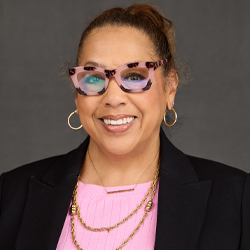
Cathy Borris-Hale, MHA, RN
Nurse Specialist for Discipline & Practice, District of Columbia Board of Nursing
Describe your professional, regulatory and community experience related to succession planning and recruitment strategies.
Throughout my career, I have led and supported staff across multiple levels, which has given me a practical understanding of succession planning and the importance of building a strong leadership pipeline. In my roles as Chief Nursing Officer, Chief Operating Officer, and Chief Executive Officer, I was responsible for identifying emerging leaders and preparing them for advancement. I mentored nurse managers and directors, supported professional development, and ensured continuity in leadership during times of transition. I learned that succession planning is not just about filling positions, but about intentionally developing individuals to lead with confidence and accountability. In my current role with the DC Board of Nursing, I contribute from a regulatory perspective by supporting practices that strengthen the nursing workforce and promote safe, competent care. My work in discipline and practice reinforces the importance of leadership grounded in accountability, sound judgment, and public protection. At the national level, my service as Director-At-Large with NCSBN provided insight into leadership development within regulatory organizations. I have participated in discussions on board readiness and the need to recruit leaders who bring diverse perspectives and a commitment to the mission. I also remain engaged in mentoring through professional and community organizations, encouraging others to grow into leadership roles. I believe effective succession planning requires ongoing mentorship, intentional recruitment, and a commitment to developing future leaders.
Detail your involvement with NCSBN (e.g., attending NCSBN meetings/conferences, subject matter expert panelist, participation on networking calls and NCSBN committee member) that make you a strong fit for the LSC.
My involvement with NCSBN has been consistent and meaningful over many years, beginning with my service on the DC Board of Nursing since 2012. During this time, I have remained actively engaged in NCSBN initiatives, meetings, and professional networks that support regulatory excellence and leadership development. I have regularly attended NCSBN Annual Meetings and Midyear Meetings, which have provided valuable opportunities to contribute to national discussions on nursing regulation, workforce challenges, and public protection. My participation in the Discipline Network has strengthened my knowledge and application of regulatory frameworks related to complaint review, enforcement, and practice standards. In addition, my involvement in the APRN Knowledge Network has allowed me to stay informed on emerging issues impacting advanced practice nursing and regulatory oversight. I further expanded my engagement through service as Director-At-Large on the NCSBN Board of Directors, where I contributed to strategic discussions and governance at the national level. I also served as a charter member of the NCSBN Medical Marijuana Guidelines Committee, helping to develop guidance for boards of nursing in an evolving area of practice. Through these experiences, I have developed a strong understanding of NCSBN’s mission, structure, and priorities. My sustained involvement, combined with my regulatory and leadership background, positions me to contribute meaningfully to the work of the Leadership Succession Committee.
Identify the attributes of effective leaders and explain what leadership means to you:
Effective leaders demonstrate integrity, accountability, and sound judgment, particularly in complex and high-stakes environments. They communicate clearly, build trust, and create space for others to contribute. Strong leaders are also adaptable and willing to make difficult decisions while remaining fair and consistent. Just as important, they are approachable and grounded, recognizing that leadership is about people as much as it is about outcomes. Over the course of my career, I have grown into a transformational leader. Early on, my focus was on managing operations and achieving results. Over time, I came to understand that sustainable success comes from investing in people, developing their strengths, and preparing them to lead. For me, leadership is not about position or authority—it is about influence, responsibility, and the ability to bring out the best in others. As a leader, I have made it a priority to mentor staff at all levels, from bedside nurses to executive leaders. I believe in creating opportunities for growth, even when it requires stepping outside of one’s comfort zone. I have seen firsthand how intentional mentorship and support can build confidence and strengthen leadership capacity across an organization. This has been especially important in times of transition, where strong succession planning ensures continuity and stability. My leadership approach is grounded in accountability and fairness, with a strong commitment to public protection and professional standards. In my regulatory role, I have worked to promote a “Just Culture,” where individuals are held accountable, but also supported in learning and improving. I believe this balance is critical to both patient safety and workforce development. Leadership, to me, also means having the courage to make difficult decisions and to stand by those decisions. It requires consistency, transparency, and a willingness to listen to different perspectives before taking action. I value collaboration and believe that the best outcomes are achieved when diverse voices are included in the decision-making process. Ultimately, leadership is about leaving organizations and people stronger than you found them. It is about building trust, developing future leaders, and ensuring that the work we do today continues to have a positive impact well into the future. My goal has always been to lead in a way that supports and develops people, builds strong teams, and creates an environment where individuals feel valued and empowered to succeed. As I continue to grow as a leader, I remain committed to supporting others in their leadership journey and helping to build a strong, prepared pipeline for the future. I believe leadership development is an ongoing responsibility, and I am intentional about creating opportunities for others to step forward, contribute, and lead.